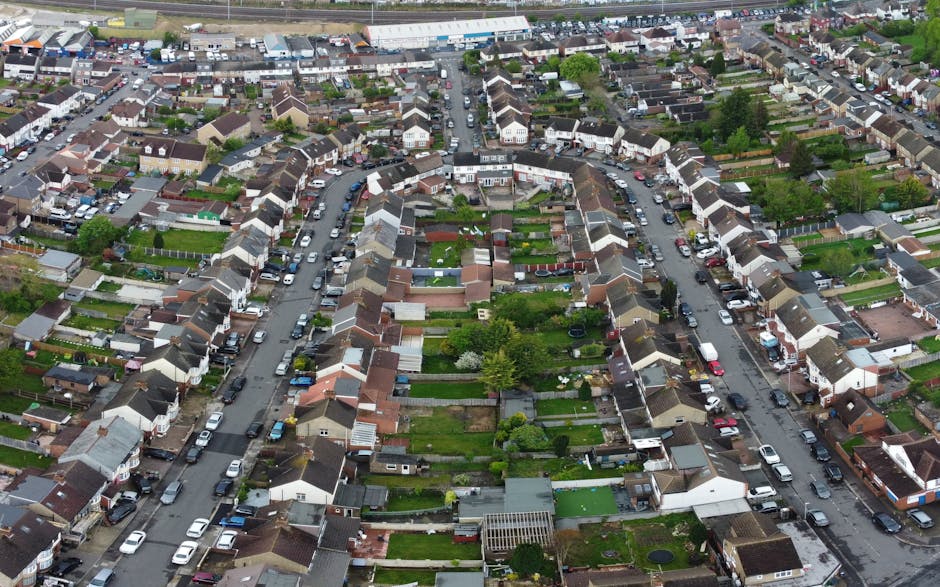
Abbey Wood station homes garden care by Thamesmead gardeners
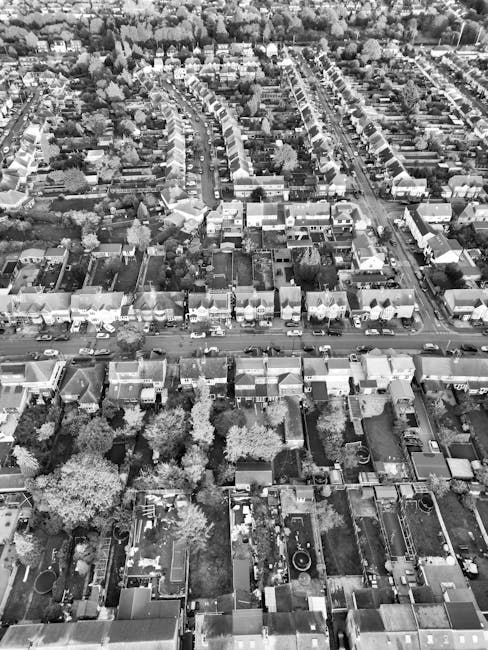
If you live near Abbey Wood station, you already know the gardens around here have their own rhythm. Front plots need to look tidy fast, back gardens can pick up windblown debris in a flash, and a small missed job can start feeling bigger than it should. That is exactly where Abbey Wood station homes garden care by Thamesmead gardeners makes sense: steady, local, practical help that keeps outdoor spaces looking cared for without turning your week into a gardening project.
This guide breaks down what that kind of service covers, why it matters in a busy residential pocket, how it works in practice, and what to look for before booking anyone to work on your garden. You will find clear advice, a simple step-by-step approach, a checklist, and a realistic comparison of the main options. No fluff. Just the kind of guidance that helps you decide what your garden actually needs.
Why Abbey Wood station homes garden care by Thamesmead gardeners Matters
Gardens near transport links tend to get used differently. People are coming and going, bins are moved about, deliveries happen more often, and the garden becomes a proper part of daily life rather than a decorative extra. That means the space has to work hard. It needs to look decent from the path, stay safe underfoot, and not become one of those jobs you keep putting off until Saturday turns into a bit of a battle.
Abbey Wood station homes garden care by Thamesmead gardeners matters because it balances appearance with maintenance. A well-kept lawn, trimmed hedge, and cleared border do more than improve kerb appeal. They make the home feel calmer. You notice it when you come back in the evening and the front looks sorted rather than slightly chaotic. Little thing, big difference.
There is also a practical side. Wet leaves on paving can be slippery. Overgrown shrubs can block light and narrow paths. A lawn left too long can start looking patchy or flattened. And if a garden is neglected for even a few weeks during peak growing season, it can feel twice as difficult to reset. Truth be told, most garden problems are easier to handle early.
For many residents, the real value is consistency. A local team that understands the type of gardens found around Abbey Wood and nearby Thamesmead can spot seasonal issues before they snowball. That might mean keeping hedges in check, scheduling regular mowing, or arranging a one-off clear-up after a busy spell. It is not glamorous work. It just works.
How Abbey Wood station homes garden care by Thamesmead gardeners works
The process is usually straightforward, and that is a good thing. Good garden care should feel organised rather than complicated. It often starts with a quick assessment of what is actually needed: routine upkeep, a seasonal tidy-up, clearance after a long gap, or a more involved landscaping improvement.
A sensible service usually breaks the job into manageable parts:
- Initial look-over: checking lawn condition, hedge growth, borders, access, waste volume, and any safety concerns.
- Plan the work: deciding whether the garden needs mowing, hedge trimming, weeding, pruning, clearance, or a combination.
- Carry out the visit: using the right equipment for the size and condition of the garden.
- Clean up properly: removing cuttings, bagging green waste, and leaving paths, patios, and entrances tidy.
- Recommend follow-up care: suggesting the right schedule so the garden does not slide back within a fortnight. Happens more often than people admit.
For homeowners near Abbey Wood station, access can matter just as much as the gardening itself. Narrow side passages, shared entrances, rear access only, or limited parking all affect how the job is approached. A local gardener used to residential work will normally plan around that rather than treating it like a surprise.
If the job is mainly upkeep, a recurring arrangement may be enough. If the garden has been left for a while, a one-off reset can be the better starting point. For larger changes, it may make sense to look at broader help through the full services overview, especially if you are trying to combine maintenance with layout improvements or hard landscaping.
Key Benefits and Practical Advantages
There are obvious benefits, and then there are the subtle ones that people only notice after a few visits. Both matter.
1. Better street-facing presentation
Near a station, homes can feel more visible. A tidy front garden creates a neat first impression, and that can be reassuring whether you are staying put or preparing to sell or rent.
2. Less stress, less backlog
Many people know their garden needs work, but not enough time to do it properly. Regular help keeps small jobs from turning into all-day catch-up sessions. That alone can be worth it.
3. Safer surfaces and clearer access
Pruned growth, cut back edges, and cleared paths reduce trip hazards and make doors, bins, and side access easier to use.
4. Healthier lawns and plants
Routine mowing, sensible cutting height, and seasonal tidy-ups help keep grass and planting areas in better condition. It is not magic. It is just consistent care done at the right time.
5. Better use of outdoor space
A neglected garden often gets avoided. A cared-for one gets used. A cup of tea on a clean patio in the morning, a child's football game, a bit of sitting out in the evening. Small things, but they change how a home feels.
6. More predictable upkeep costs
Regular maintenance can be easier to manage than repeated emergency clearances. You are paying for control, not surprise chaos. Much kinder on the budget and the nerves.
Who This Is For and When It Makes Sense
This kind of garden care is useful for a wide mix of households. If you live near Abbey Wood station, you may recognise yourself in one of these situations.
- Busy commuters: You are away early and back late, so the garden only gets your attention at weekends, and even then not always.
- Families: Outdoor space gets used hard. Toys, muddy shoes, sports, and general life add up quickly.
- Older homeowners: Some tasks become awkward or unsafe to do alone, especially hedge work, heavier clearance, or repeated mowing.
- Landlords and property managers: A tidy garden helps keep a home presentable between tenancies or viewings.
- New residents: If you have just moved in and the garden is already overgrown, a reset can make the place feel like yours much faster.
- People planning improvements: Before adding a new patio, deck, border, or seating area, the existing space often needs clearing and reshaping first.
It makes sense when the garden is starting to affect how you use the property. Not every outdoor space needs a full makeover. Sometimes it just needs regular, calm attention. And sometimes it needs a proper rescue job. Let's face it, gardens can get dramatic.
If you are unsure whether your space needs routine care or something more involved, it can help to start with garden maintenance support rather than jumping straight into major changes. You can always build from there.
Step-by-Step Guidance
A good result usually comes from a simple process. Here is the practical version.
- Walk the garden properly. Look at the lawn, edges, borders, hedges, drainage spots, and any awkward access points. You are looking for the jobs that will matter most in daily use.
- Separate urgent from cosmetic. Safety issues and access problems come first. Then the visible tidy-up. Then the nice-to-have improvements.
- Choose the right service mix. A lawn that is only slightly too long needs different treatment from one that has gone wild. A light hedge trim is not the same as a full reduction.
- Clear the working area. Move toys, pots, furniture, tools, and fragile items. It speeds things up and lowers the chance of damage. Simple, but easy to forget.
- Handle green waste responsibly. Ask how cuttings and debris will be removed or recycled. A proper finish matters almost as much as the cut itself.
- Set a follow-up schedule. Decide whether you need weekly, fortnightly, monthly, or seasonal visits. There is no perfect rule, only what suits your garden's growth rate and your own routine.
In practical terms, a newly renovated garden near Abbey Wood station may need careful maintenance after any landscaping work. Once the structure is in place, keeping it sharp is what protects the investment. That is where professional landscaping support can sit alongside routine upkeep quite naturally.
If the space has become too cluttered to manage properly, a one-off garden clearance service may be the best starting point. Clean the slate first. Then maintain it. That order matters.
Expert Tips for Better Results
A few small habits make a garden much easier to keep in good shape. These are the kinds of things that usually separate a short-lived tidy-up from a garden that stays pleasant through the season.
Keep cutting intervals sensible. If grass is allowed to grow too long, it is often better to reduce it in stages rather than scalp it all at once. That leaves the lawn less stressed and looks cleaner too.
Trim hedges before they become obstacles. Once shrubs start narrowing a path or blocking windows, the work becomes more difficult and more noticeable. Early trims are neater, quicker, and kinder to the plant.
Watch for weather timing. A dry spell is usually a better moment for major tidy work than a wet, heavy day. The garden dries faster, and the finish tends to look tidier. Sounds obvious. Still gets ignored.
Think in zones. Front garden, side access, patio, and back lawn often need different care. Treating them as one block can lead to patchy results.
Keep waste removal in mind from the start. A pile of clippings sitting around after the job has finished can make the whole space look half-done. A clean finish gives the work its real value.
Use the season to guide the plan. In spring, growth can feel relentless. In summer, lawns and edges need consistency. In autumn, leaves and debris become the main headache. In winter, structural checks and lighter maintenance often make the most sense.
And here is a slightly unglamorous tip that matters: do not wait until the garden looks "bad enough" to act. That phrase has cost people more time than they realise.
Common Mistakes to Avoid
Most garden problems do not come from one big mistake. They come from a series of small delays. Still, there are a few common traps worth avoiding.
- Leaving it too long between visits: This is the classic one. A tidy garden can turn into a heavy job surprisingly quickly.
- Cutting too much at once: Especially with hedges and lawns, too much at once can leave a tired-looking result.
- Ignoring the edges: Clean lines matter. A neat lawn with ragged edges still looks unfinished.
- Forgetting about drainage or damp spots: If one corner always stays muddy, mowing and planting choices may need adjusting.
- Choosing services based on price alone: A very cheap visit that misses the real problem is often more expensive in the long run.
- Not checking waste handling: If cuttings are left behind, the work can feel incomplete even if the actual cutting was fine.
- Overlooking access issues: Locks, shared gates, parking, and neighbours can all affect how smoothly a job runs.
There is a lot to be said for simply slowing down and thinking through what the garden needs before the tools come out. Not exciting, I know. But it saves time.
Tools, Resources and Recommendations
You do not need every garden tool under the sun to maintain a home near Abbey Wood station. What matters is using the right equipment for the task and keeping the workflow tidy.
Useful equipment for routine care includes:
- a reliable lawn mower for the grass area;
- hedge trimmers for shaping and controlled cutting;
- secateurs or loppers for smaller woody stems;
- rakes and brooms for leaves, clippings, and debris;
- gloves, eye protection, and sturdy footwear;
- waste bags or collection containers for green waste;
- basic edging tools for sharper borders and paths.
For larger or more awkward jobs, trained help becomes much more practical. That is especially true where overgrown hedges, tangled beds, or heavier branches are involved. If trees have become a concern, it is sensible to look at tree lopping and removal rather than trying to manage large growth without the right setup.
If you are comparing ongoing care providers, it helps to ask a few grounded questions:
- What is included in a standard visit?
- How is green waste removed or managed?
- Do they handle one-off clearances and regular maintenance?
- How do they approach access, safety, and property protection?
- Can the service scale from a small tidy-up to a bigger project if needed?
For more general service planning, the pricing and quotes information can help you think about scope before you commit. And if you care about how your garden waste is treated, their recycling and sustainability approach is worth reviewing too.
Law, Compliance, Standards, or Best Practice
Garden care around homes is usually straightforward, but there are still sensible standards to follow. The important thing is not to overcomplicate it. Good practice covers safety, property care, waste handling, and respect for neighbours.
For example, cutting, pruning, and clearance work should be carried out carefully so that paths stay usable and no one is put at risk by loose branches, hidden debris, or unstable materials. If machinery is used, safe handling matters. If waste is removed, it should be dealt with properly rather than dumped or left in a corner. That sounds obvious, but it is exactly where quality can slip.
Near residential streets and station-adjacent homes, noise and timing can matter too. A considerate gardener works with the property owner to keep disruption down. Early morning chaos with power tools is nobody's favourite start to the day, to be fair.
Professional providers should also be clear about their working practices, insurance arrangements, and how they handle complaints or concerns. If you are checking a company's standards, useful pages to review include health and safety policy, insurance and safety information, and complaints procedure. Those pages do not replace good service, of course, but they do help you judge professionalism.
There are also privacy and payment basics worth understanding when booking online. A straightforward provider should be transparent about privacy handling, payment and security, and service terms. Nothing fancy. Just decent business practice.
Options, Methods, or Comparison Table
Different gardens need different approaches. Here is a simple comparison to help you decide what makes sense.
| Option | Best for | Strengths | Watch-outs |
|---|---|---|---|
| One-off tidy-up | Overgrown or neglected gardens | Fast reset, visible improvement, good starting point | Can slide back if not followed by ongoing care |
| Regular maintenance | Busy households and occupied rentals | Predictable, keeps growth under control, easier to budget | Needs consistency, even during hectic months |
| Garden clearance | Heavy debris, old growth, neglected plots | Removes clutter and prepares the space for use or redesign | Usually not enough on its own if the aim is long-term neatness |
| Landscaping or redesign | Spaces that need a new layout or function | Transforms use, improves structure, can solve recurring problems | Needs planning and may cost more than simple upkeep |
If your garden is basically healthy but messy, maintenance is often the best answer. If it has got away from you a bit, start with clearance. If the space does not work well at all, then landscaping may be the smarter move. The right choice is the one that matches the actual problem, not just the one that sounds most impressive.
Case Study or Real-World Example
Consider a typical home a short walk from Abbey Wood station: small front garden, medium back garden, and limited time to keep on top of either. The front bed has become scruffy, the lawn is uneven, and the hedge has crept towards the path. Nothing extreme, but enough to make the house look tired.
In a real-world situation like this, the first visit might focus on a reset. The hedge gets trimmed back to restore shape and light. The lawn is cut properly, maybe with a second pass if the grass has grown out. Borders are cleared of weeds and dead material. The side path is swept clean. Waste is taken away. Suddenly the garden feels usable again.
What usually happens next is interesting. Once the garden looks manageable, the owners start using it again. A child's scooter stays outside without becoming an obstacle. A couple of pots get placed where they actually make sense. The space gets noticed. Not in a flashy way, just in that quiet, satisfying way where home feels looked after.
That is the real value of dependable garden care. Not just the before-and-after photo. The everyday ease that comes after.
Practical Checklist
Use this quick checklist before booking or planning work on a garden near Abbey Wood station.
- Is the main issue routine upkeep, heavy overgrowth, or a full redesign?
- Do paths, steps, or entrances need clearing for safety?
- Does the lawn need mowing, edging, scarifying, or just a tidy cut?
- Are hedges and shrubs blocking light, access, or views?
- Is there a lot of green waste that needs removal?
- Do you want a one-off visit or regular maintenance?
- Are there access constraints such as side gates, shared entrances, or parking limits?
- Do you need broader improvements such as decking or landscaping?
- Have you checked the provider's safety and insurance information?
- Do you know what result would count as "job done" for your household?
Expert summary: the best garden care is not always the biggest job. It is the one that matches the space, the season, and the way you actually live. Keep it simple, keep it regular, and deal with small problems before they become the sort of task you keep avoiding.
Get a free quote today and see how much you can save.
Conclusion
Abbey Wood station homes garden care by Thamesmead gardeners is about more than neat lawns and trimmed hedges. It is about making an outdoor space easier to live with, safer to use, and better to look at on a daily basis. For busy households, landlords, and anyone who has let the garden drift for a while, the right local help can change the feel of a property quickly.
The best approach is usually the practical one: assess the space honestly, choose the right level of care, and keep the work consistent enough that the garden never gets away from you again. That rhythm is what turns a difficult patch of ground into a place you actually enjoy stepping into.
And honestly, there is something quietly satisfying about opening the back door and seeing a garden that just looks sorted. Not perfect. Just cared for. That's enough, and often better.
Frequently Asked Questions
What does Abbey Wood station homes garden care by Thamesmead gardeners usually include?
It commonly includes lawn mowing, hedge trimming, weeding, border tidying, green waste removal, and general garden maintenance. Some visits are small and routine, while others are more of a reset after the garden has been left for a while.
Is this service better for one-off jobs or regular maintenance?
Both, depending on the condition of the garden. If the space is overgrown, a one-off clearance or tidy-up may be the right start. If the garden is already in decent shape, regular maintenance usually gives the best long-term result.
How often should a garden near Abbey Wood station be maintained?
It depends on growth, use, and season. Some gardens need weekly or fortnightly attention in spring and summer, while others only need monthly or seasonal visits. A good provider will help you set a realistic rhythm rather than guessing.
What if my garden has become heavily overgrown?
A heavier clearance job may be needed before ongoing care makes sense. In that case, starting with a proper garden clearance service can make the next stage much easier and less costly in the long run.
Can garden care help improve kerb appeal?
Yes, very much so. A neat front garden, trimmed hedge, and clear path make a home look cared for straight away. Near a station or busy street, that first impression can matter more than people think.
Do I need landscaping if I only want a tidy garden?
Not necessarily. Landscaping is more for structural changes, layout improvements, or spaces that need redesign. If you just want the garden kept neat, maintenance is usually the more suitable option.
What should I ask before booking a gardener?
Ask what is included, how waste is handled, whether they can manage both regular and one-off work, and how they handle access and safety. Those questions reveal a lot without turning it into an interview.
Are there safety considerations for garden work at home?
Yes. Tools, branches, slippery paths, and hidden debris can all create risks if work is rushed. It is sensible to choose a provider that takes safety seriously and can explain their working practices clearly.
What if I only need hedge work or lawn cutting?
That is fine. Many gardens need a focused service rather than a full package. You can combine specific tasks like hedge trimming or lawn mowing with general upkeep if that suits the garden better.
How do I know whether I need clearance, maintenance, or landscaping?
Think about the main problem. If the garden is cluttered or heavily overgrown, clearance is a good start. If it is already usable but needs ongoing tidying, maintenance is the better fit. If the layout itself is awkward or underused, landscaping may be the answer.
What happens to the waste after the work is done?
That depends on the service, but you should expect clear waste handling, not an untidy pile left behind. It is a fair question to ask, and it is part of judging how complete the job really is.
Can I combine garden care with bigger improvement work?
Yes. Many homeowners start with maintenance and then move into improvements such as decking services or broader landscaping once the garden is under control. It is often a smarter way to plan it.