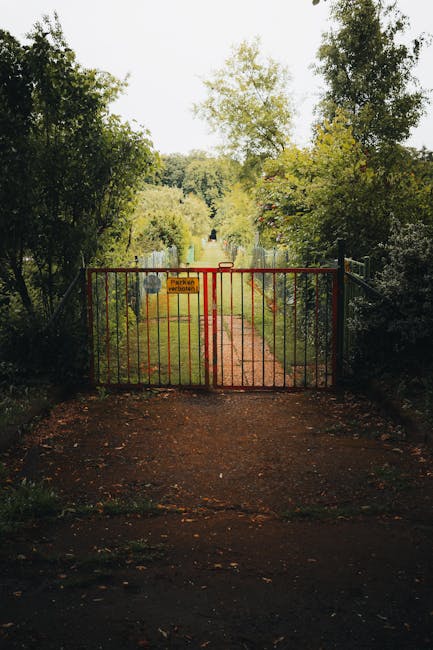
Access issues for Thamesmead garden maintenance on estates
If you manage, own, or live on an estate in Thamesmead, you probably already know the awkward bit is rarely the gardening itself. It is the access. Locked gates, tight walkways, parked cars, shared bin stores, no turning space, upstairs flats with no lift for bulky kit, awkward service yards... it all adds friction. And when access is poor, even straightforward garden maintenance can become a stop-start job that takes longer, costs more, and creates avoidable stress.
This guide looks at access issues for Thamesmead garden maintenance on estates in a practical way. We will cover why they matter, how jobs are usually planned around them, what good access management looks like, and what residents, landlords, and managing agents can do to keep outdoor spaces tidy without the usual faff. Truth be told, a lot of the pain can be avoided with a bit of planning.
Whether the work involves mowing, hedge trimming, garden clearance, or a broader upkeep plan, the same principle applies: if the team cannot get in cleanly and safely, the quality of the result tends to suffer. That is just how it goes.
Table of Contents
- Why access issues matter on Thamesmead estates
- How estate access affects garden maintenance work
- Key benefits of planning access properly
- Who this is for and when it makes sense
- Step-by-step guidance for smoother visits
- Expert tips for better results
- Common mistakes to avoid
- Tools, resources and recommendations
- Law, compliance, standards and best practice
- Options, methods and comparison table
- Case study or real-world example
- Practical checklist
- Conclusion
- Frequently asked questions
Why access issues for Thamesmead garden maintenance on estates matters
Estate gardens are rarely laid out like a neat detached house with a side gate and a handy driveway. In Thamesmead, many communal or semi-communal spaces involve shared entrances, perimeter fencing, uneven paving, internal courtyards, and residents coming and going at all hours. That means access is not a side detail; it is part of the job.
When access is restricted, garden maintenance can be delayed, compressed into a shorter window, or carried out with the wrong equipment. A mower that would normally be ideal may be too wide for a narrow path. A hedge-cutting job may need more manual work because a machine cannot be wheeled through safely. A green waste collection plan can also fall apart if the team cannot load debris near the exit. Small issues, but they stack up fast.
There is also a human side to it. Residents do not always enjoy seeing gardeners repeatedly trying to get through gates, asking for keys, or moving bags and tools around parked cars. It can make the whole estate feel cluttered and a bit on edge. Good access arrangements, on the other hand, make the job quieter, quicker, and less intrusive. And yes, that matters more than people often think.
For larger contracts, poor access can affect pricing, time estimates, safety planning, and whether the maintenance schedule is realistic at all. That is why many experienced teams will ask practical questions upfront rather than just saying, "No problem, we will sort it." Sometimes they can. Sometimes they really cannot, not without better information.
How access issues for Thamesmead garden maintenance on estates works
In practice, access planning starts before anyone arrives with a strimmer or leaf blower. The site is checked, the entry points are confirmed, and the team works out how equipment, waste, and people will move through the estate without causing disruption. That sounds simple. It often is not.
A good contractor will usually want to know:
- Where the main and secondary entrances are
- Whether gates are locked, coded, or key-held
- How wide the access routes are
- Whether there are steps, slopes, or uneven surfaces
- Where vehicles can stop safely, even for a short period
- Whether residents need advance notice of works
- How garden waste should be removed from the site
That information influences everything from staffing to equipment choice. For example, if a long communal strip can only be reached on foot, a smaller set-up may be better than a full van-and-trailer arrangement. If lifting waste bags through narrow corridors is unavoidable, the team may need more time, more hands, or an alternative disposal route. Simple, but not always easy.
In some estates, access is smooth during certain hours and impossible during others. School runs, refuse collections, security patrols, or resident parking can all change the picture. So the best approach is often to build maintenance around the estate's actual rhythms rather than a generic weekly slot. That bit gets overlooked more than it should.
When access is unclear, the result is usually a chain reaction: slower work, more manual handling, higher chance of accidental damage, and frustrated residents. To be fair, nobody wants a gardener dragging cuttings through a freshly swept lobby because the side gate was padlocked and nobody mentioned it. A small oversight, a big nuisance.
Key benefits and practical advantages
Getting access right is not just about convenience. It has knock-on benefits for maintenance quality, safety, and cost control.
- Cleaner results: when the team can reach all areas properly, grass, hedges, and borders are maintained more evenly.
- Less disruption: fewer repeated visits, fewer delays, and less noise from unnecessary repositioning.
- Better safety: easier movement of tools and waste reduces trip hazards and manual-handling strain.
- More accurate quotes: access conditions help a contractor estimate time and labour properly from the start.
- Lower risk of damage: clear routes reduce the chance of scraped walls, bent gates, damaged planting, or broken fixtures.
- More reliable scheduling: if entry points are known, maintenance can be planned around them instead of guessed.
A less obvious benefit is trust. Estates run better when the people responsible for them have a shared understanding of what can and cannot happen on site. That might sound obvious, but a lot of repeated headaches come from assumptions. Someone thinks the gate code is still the same. Someone else assumes the van can park on the forecourt. Then the whole morning disappears.
Planning access properly also helps when you need broader work alongside routine maintenance. If an area is badly overgrown and needs garden clearance, or if hedges are blocking visibility and should be cut back, the same access checks apply. It is all part of keeping the estate manageable rather than reactive.
Who this is for and when it makes sense
This topic matters to more people than you might first expect. It is not only for facilities managers or block management companies. Residents, freeholders, housing associations, landlords, and caretakers all have a role to play.
You will probably benefit from thinking about access issues if you are:
- Managing communal gardens on a Thamesmead estate
- Booking regular upkeep for lawns, hedges, and borders
- Trying to reduce complaints about overgrown shared spaces
- Planning seasonal work after winter growth or autumn leaf fall
- Coordinating contractors across multiple blocks or courtyards
- Looking for a long-term maintenance arrangement rather than one-off tidy-ups
It also makes sense if your estate has changed over time. Maybe extra parking has narrowed routes. Maybe a gate that used to be open is now locked due to security concerns. Maybe residents have started storing bikes, bins, or bulky items in the wrong place. Little by little, the estate becomes harder to work in.
If you are planning broader improvements, the access conversation may connect naturally with landscape gardening or landscaping work too. In some cases, the best long-term fix is not just maintenance, but a small redesign of pathways, edging, or planting layout so the site is easier to manage. That is often where the real saving sits.
And if your outside spaces are mainly practical rather than decorative, regular garden maintenance will usually be the most sensible starting point. No drama, just steady upkeep that keeps the place looking cared for.
Step-by-step guidance
If you are trying to reduce access problems on an estate, the safest approach is to treat it like a small operational project. Not glamorous, admittedly, but effective.
- Map the access points. Note every gate, path, service entrance, shared corridor, and vehicle route. Include any code locks, keys, or fob arrangements.
- Check widths and surfaces. Look at whether standard maintenance kit can pass through comfortably. Watch for tight turns, steps, slippery paving, and awkward gradients.
- Identify parking and stopping areas. A gardener may only need a short unloading point, but that needs to be safe and agreed. Do not leave this vague.
- Confirm waste removal routes. Cuttings, branches, and bagged waste need to leave the site somehow. If the exit route is long, plan for extra time.
- Set resident notices. Let people know when work will happen, which areas need to stay clear, and where not to park. A bit of notice prevents half the trouble.
- Match the schedule to site conditions. Choose maintenance windows when access is simplest and resident disruption is lowest.
- Review after the first visit. The first job on a site often reveals some detail nobody mentioned. Learn from it and tweak the plan. That one's important.
For example, a hedge trim may look straightforward from the outside, but if the only entry route is through a narrow side gate and the clippings must be carried to a distant waste point, the job is no longer quick. A contractor who knows that upfront can allocate the right labour and avoid a rushed finish.
One small but useful habit: take photographs of access pinch points during the initial site visit. Not for show, just for clarity. Months later, those pictures can save a lot of explaining when someone asks, "Why do we need two people for this?"
Expert tips for better results
In our experience, the estates that run smoothly tend to do a few simple things consistently. Nothing fancy. Just sensible habits, repeated.
- Keep one named contact. A single person who can answer access queries saves endless back-and-forth.
- Standardise key handover. If keys or codes are involved, make sure the process is written down and current.
- Protect the walking route. Keep bins, bikes, prams, and temporary storage away from maintenance paths where possible.
- Use realistic time slots. A rushed one-hour visit on a complicated site can create more mess than it solves.
- Choose the right service mix. Routine mowing, hedge trimming, and occasional clearance should not all be treated like the same job.
- Plan for the weather. Wet paving, windy conditions, and heavy leaf fall all change how access works on the day.
It also helps to think about the equipment itself. Smaller pedestrian machines, hand tools, and compact waste bags can sometimes be more effective than larger machinery on estate sites. Not always, but often enough that it is worth asking. Bigger is not always better. Bit of a gardening truth there.
If the estate has trees close to boundaries or overhead paths, access planning should include any work that might require extra clearance. In that situation, it can be sensible to review tree lopping and removal needs before the main maintenance visit, rather than discovering a blockage after the crew arrives.
For high-traffic communal areas, regular mowing with proper waste management matters more than occasional deep cuts. A rough patch here and there looks harmless until it has been walked over for a fortnight. Then it turns into an uneven, muddy mess, and nobody wants that outside their front door.
Common mistakes to avoid
A lot of access problems repeat for the same reasons. The good news is they are usually avoidable.
- Assuming access is obvious. What is clear to one person may be impossible to someone else arriving with tools and bags.
- Failing to communicate gate access. A locked gate with no shared code can stop work dead. Simple as that.
- Ignoring resident parking habits. If cars regularly block a route, the maintenance team needs to know before the visit.
- Underestimating waste movement. It is not just the cutting that matters; getting green waste off site is part of the job.
- Skipping a site walk. Remote assumptions often miss the awkward little things: low walls, hidden steps, narrow bends.
- Booking too little time. Access problems do not magically disappear because the schedule says they should.
Another common one: treating a one-off tidy-up as if it proves the site is easy to maintain long term. It does not. A summer visit and a winter visit are two different worlds. Damp surfaces, muddy edges, and dormant growth can all change how the estate works in practice.
And let's be honest, nobody enjoys the "we thought someone else had the key" conversation. It is not exactly the pinnacle of estate management.
Tools, resources and recommendations
You do not need a huge toolkit to manage access well. You need the right information, good communication, and a few practical controls.
Useful resources and materials include:
- A simple estate access map showing gates, entrances, and service routes
- A key/code register that is reviewed regularly
- Resident notice templates for scheduled work
- Photographs of tight access points and storage pinch-points
- A maintenance calendar that separates mowing, hedging, clearance, and seasonal work
- A clear waste handling plan so cuttings do not pile up on site
For many estates, the most useful practical partner is a provider that can handle a broader range of outdoor tasks rather than just one narrow service. That makes it easier to align access planning with the work itself, whether that is lawn mowing, hedge trimming, or larger seasonal tidy-ups. If the site needs a proper reset after a spell of neglect, a planned garden clearance can sometimes clear the way for simpler ongoing upkeep.
It is also worth looking at the wider service framework. A contractor who explains methods, safety expectations, pricing logic, and sustainability choices clearly tends to be easier to work with on complicated estate sites. You can usually get a good sense of that by reviewing the available services overview and related policy pages before appointing anyone.
For trust and accountability, practical documentation matters too. Pages such as insurance and safety, health and safety policy, and the accessibility statement give a useful picture of how a business thinks about safe working and site access. That is not just box-ticking; it helps you judge whether they will behave sensibly on a live estate.
Law, compliance, standards and best practice
Access planning on estates is not usually a single legal issue; it is more of a cluster of practical duties and good working practice. Exact responsibilities depend on the site, the contract, and who controls the land or communal areas.
In broad UK terms, responsible estate maintenance should take account of:
- Health and safety duties: safe movement of people, tools, and materials on site
- Manual handling: avoiding unnecessary strain when carrying equipment or waste through restricted routes
- Occupier and property care: reducing foreseeable hazards in shared spaces
- Resident wellbeing: limiting disruption, noise, and obstructions where possible
- Accessibility considerations: not blocking routes that need to remain usable for people with mobility needs
Best practice usually means documenting access arrangements, agreeing communication methods, and making sure the site can be worked safely without guesswork. If an area is tight, slippery, or cluttered, that should be reflected in the method of work, not brushed aside.
That is where policies and process matter. A contractor with a clear approach to complaints, payment security, sustainability, and operational conduct tends to give estate managers more confidence. You can review related pages such as complaints procedure, payment and security, recycling and sustainability, and terms and conditions to understand how the wider service is structured.
Just as importantly, compliance is not only about avoiding problems. It is about making the site easier to manage month after month. A tidy access route is safer, faster, and less stressful. That is the real win.
Options, methods and comparison table
There is no single way to handle access issues on Thamesmead estates. The right approach depends on the layout, resident behaviour, and the type of maintenance being carried out.
| Method | Best for | Pros | Limitations |
|---|---|---|---|
| Fixed access times | Routine communal maintenance | Predictable, easy to plan, reduces resident confusion | Can be awkward if parking or security patterns change |
| Key-held access | Gated estates with controlled entry | Reliable when well managed, suits regular visits | Needs careful handover and up-to-date responsibility records |
| Resident-notice model | Shared courtyards and front-facing communal areas | Reduces conflict and blocked routes | Relies on people actually reading and acting on the notice |
| Small-equipment approach | Narrow paths, tight gateways, compact sites | Flexible, less likely to cause obstruction | May take longer on larger areas |
| Phased maintenance | Larger estates with multiple blocks | Breaks work into manageable sections, keeps disruption low | Needs disciplined scheduling and clear communication |
In many real situations, the best answer is a mix. For instance, a main gate may be controlled, while the actual work is done in phases using smaller equipment and staggered resident notices. A neat compromise, really.
If the estate also has decorative features such as raised planters, edging, or timber features around the path, then access decisions may intersect with decking services or light structural improvements. These are not maintenance-only issues anymore; they are access and layout issues too.
Case study or real-world example
Consider a typical Thamesmead estate with several shared lawn areas, a few hedged borders, and a central pedestrian route between blocks. On paper, it looks straightforward. In practice, the route is often used for bins, deliveries, children playing, and the odd parked bike or scooter. So what happens when the maintenance team arrives?
Without a clear access plan, the crew may spend the first 15 minutes finding the right entrance, another 10 waiting for someone to open a gate, and then extra time moving around obstacles before a mower even starts. The work still gets done, but the visit feels rushed, and the finish can be patchy around the edges.
Now compare that with a site where the managing agent has confirmed the gate code, sent residents a short notice, and marked a safe unloading point. The team can start on time, work the site in a sensible order, and remove cuttings without dragging them across communal paving. Less noise, less mess, better result.
That difference sounds small. It is not. Over a season, those small time savings add up to more consistent grounds care and fewer complaints about overgrown areas. And if the estate has one section that has been left too long, the maintenance team can flag whether a heavier intervention is needed first, rather than pretending routine mowing will solve everything. It usually will not.
Practical checklist
Use this before arranging garden maintenance on an estate with access challenges.
- Confirm every gate, key, code, and entry point in advance
- Check whether vehicles can stop safely and legally near the work area
- Make sure paths are wide enough for the tools being used
- Remove temporary obstacles such as bins, bikes, and loose storage where possible
- Notify residents about date, time, and any areas that must stay clear
- Agree where green waste will be collected or left for removal
- Review whether the job needs mowing, hedge trimming, clearance, or a mix
- Prepare for weather-related delays, especially in wet or windy conditions
- Keep a record of recurring access issues for the next visit
- Revisit the access plan if the estate layout changes
One small tip: if a route feels awkward to walk while carrying a heavy bag of clippings, it is probably awkward enough to cause delays. That instinct is usually right.
Conclusion
Access issues for Thamesmead garden maintenance on estates are not just an inconvenience; they shape the whole quality of the job. When access is planned properly, everything tends to run more smoothly: the work is safer, the estate looks better, residents are less bothered, and the team can get on with the real task rather than wrestling with gates and guesswork.
The main thing to remember is this: good access is part of good maintenance. Not separate from it. If you sort the routes, timings, handovers, and waste plan early, you save yourself a lot of small problems later. And in estate management, small problems have an annoying habit of becoming big ones if nobody is paying attention.
If you are reviewing a maintenance arrangement, start with the access reality on the ground and build the plan around that. It is the practical way, the honest way, and usually the cheaper way too.
Get a free quote today and see how much you can save.
Sometimes the best improvement is not a dramatic redesign. Sometimes it is just making the place easier to care for, week after week, with a bit less friction and a lot less stress.
Frequently Asked Questions
What are the most common access problems on Thamesmead estates?
The most common issues are locked gates, narrow paths, resident parking blocking routes, unclear key handovers, and limited space for unloading tools or waste. Shared courtyards can also make timing tricky.
How do access issues affect garden maintenance costs?
If the team needs extra time, more labour, or smaller equipment because access is tight, that can increase the cost. Good information upfront usually helps keep quotes more accurate and avoids unexpected extras later.
Can regular garden maintenance still work on a gated estate?
Yes, absolutely. In fact, gated estates often work well when access is organised properly. The key is to keep gate codes, key ownership, and visit times up to date so the work can happen without delay.
What should an estate manager tell the gardener before a visit?
They should explain how to enter the site, where to park, which routes are clear, where waste should go, and whether residents need advance notice. If there are any tight corners or steps, those should be mentioned too.
Is a site visit necessary before quoting?
For estates with difficult access, a site visit is often very helpful. It gives a clearer view of route widths, gate arrangements, waste movement, and any practical obstacles that are easy to miss from a description alone.
What happens if residents block the access route on the day?
The job may have to be delayed, rescheduled, or adjusted. That is frustrating, but it is better than trying to push through in unsafe conditions. Clear resident notices help reduce this problem.
Does access affect mowing, hedge trimming, and clearance differently?
Yes. Mowing may need wider clear routes, hedge trimming often creates more waste to carry out, and clearance jobs usually generate the most volume. So the same access issue can affect each task in a different way.
What is the best way to handle waste removal on estates with poor access?
Plan it before the job starts. Agree where waste will be bagged, how far it needs to be carried, and whether collection is possible near a service entrance. If the route is long, allow more time.
Are accessibility concerns part of access planning?
Yes, they can be. Access planning should avoid blocking routes that residents need to use safely, especially where mobility needs may be involved. A sensible maintenance plan keeps shared pathways usable.
Should access arrangements be written down?
Definitely. Written notes help avoid confusion about keys, codes, parking, and waste handling. They also make it much easier to improve the plan next time a visit is scheduled.
How often should access plans be reviewed?
At least whenever the site changes, residents raise recurring issues, or maintenance starts becoming slower than expected. Even a small change, like new parking habits, can affect how the estate is serviced.
Who should I contact if I need help planning maintenance access?
If you are arranging work on an estate, the best first step is to speak with the maintenance provider and share the practical details of the site. For general enquiries, you can also use the information on the contact page and ask for advice on the most suitable approach.