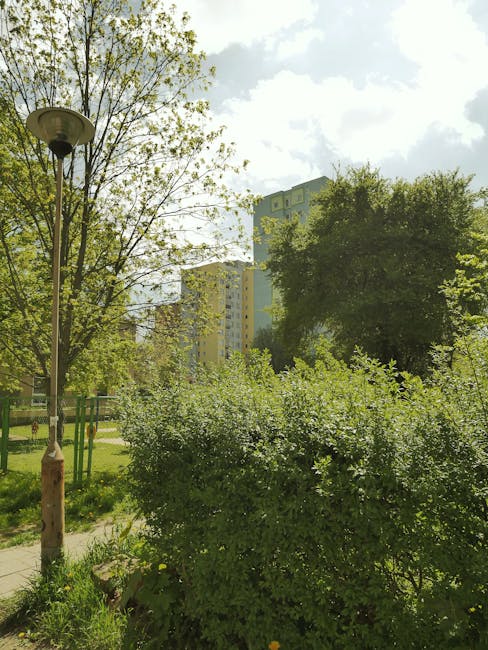
Southmere Park garden maintenance tips from Thamesmead gardeners
If you look after a garden near Southmere Park, you already know it has a life of its own. One wet week and the lawn looks tired. A spell of sun and suddenly the borders are racing away, the hedge is leaning out, and the patio is collecting everything from blossom to moss. These Southmere Park garden maintenance tips from Thamesmead gardeners are designed for exactly that sort of real-world garden: busy, changeable, and never quite as tidy as you meant it to be.
Truth be told, good garden maintenance is not about making everything perfect. It is about staying ahead of the mess, protecting healthy growth, and keeping the space usable through the year. In this guide, we will walk through what matters most, how experienced gardeners approach the job, when to call in extra help, and the simple habits that make a surprising difference over time.
Whether your garden is a compact terrace plot, a family back garden, or a shared outdoor space that needs regular attention, the aim is the same: less stress, better results, and a garden that feels looked after instead of constantly catching up.
Table of Contents
- Why Southmere Park garden maintenance tips from Thamesmead gardeners matters
- How Southmere Park garden maintenance tips from Thamesmead gardeners works
- Key benefits and practical advantages
- Who this is for and when it makes sense
- Step-by-step guidance
- Expert tips for better results
- Common mistakes to avoid
- Tools, resources and recommendations
- Law, compliance, standards, or best practice
- Options, methods, or comparison table
- Case study or real-world example
- Practical checklist
- Conclusion
- Frequently asked questions
Why Southmere Park garden maintenance tips from Thamesmead gardeners Matters
Gardens around Southmere Park face a mix of conditions that can be a little unforgiving. Open ground can mean more wind exposure. Shade from trees and fencing can keep surfaces damp for longer. Heavy use from children, pets, and everyday foot traffic can compact soil and wear paths into mud. None of that is a disaster, but it does mean routine maintenance has to be practical, not decorative.
Regular care helps you keep the garden healthy rather than constantly reactive. That means less weed build-up, fewer pest hideouts, better lawn recovery after rain, and less chance of shrubs turning into a maintenance headache. A neglected hedge or overgrown border can quickly make a garden feel smaller and harder to use. You notice it most on a grey morning when everything looks flat and a bit grim. That is usually when people realise the garden has stopped working for them.
The local angle matters too. Thamesmead gardeners are used to working with gardens that need regular, sensible attention rather than occasional heroic rescue. In areas like Southmere Park, good maintenance is often about rhythm: mow, trim, clear, inspect, and reset. Small jobs done consistently are much easier than one massive tidy-up every few months.
Expert summary: if a garden feels difficult to manage, the problem is often not the size of the plot. It is the lack of a simple routine. Once you have one, the whole space becomes calmer, cheaper to maintain, and much nicer to spend time in.
How Southmere Park garden maintenance tips from Thamesmead gardeners Works
Garden maintenance works best when it follows the season and the actual condition of the garden, not just the calendar. The same task may need doing every week in spring, then only every couple of weeks later on. A smart maintenance plan focuses on observing what is changing and acting before issues spread.
In practice, experienced gardeners usually break the work into a few core categories:
- Lawn care such as mowing, edging, feeding where suitable, and dealing with patches or moss.
- Hedge and shrub maintenance to keep structure, shape, and access under control.
- Weed and debris removal so beds, paths, and borders do not get choked.
- Seasonal pruning to improve health, flowering, and airflow.
- Surface care for patios, decking, paths, and other hard landscaping.
- Waste management so clippings and cuttings do not sit around and create more work later.
That last part is often overlooked. A pile of green waste may look harmless, but after a rainy spell it turns heavy, slimy, and awkward. Not glamorous, I know, but very real.
At a local level, maintenance usually means adapting to the garden's quirks. One Southmere Park garden might need more mowing because of sunlight and watering. Another might have a shady corner that grows moss and demands better airflow. So the method is the same, but the detail changes. That is where proper experience shows.
Key Benefits and Practical Advantages
Regular garden maintenance gives you more than a tidy view from the window. It improves how the space works day to day and reduces the chance of bigger jobs later on.
- Better appearance: A maintained garden looks cared for, even if it is modest in size.
- Healthier plants: Cutting back dead growth, thinning crowded areas, and removing weeds helps plants compete properly.
- Safer movement: Clear paths, shorter grass, and trimmed overgrowth reduce trip hazards and awkward corners.
- Lower long-term effort: Little and often is usually easier than rescue work.
- More usable space: You can sit, play, and move around without feeling boxed in.
- Less pest pressure: Regular clearing removes damp, hidden spots that attract unwanted visitors.
There is also a practical cost angle. Gardens that are left alone for too long often need clearance, remedial pruning, or even small landscaping fixes before maintenance can properly begin again. That extra work adds time and expense. It is a bit like servicing a car, really. You can ignore it for a while, but the bill does not disappear.
If you want a broader picture of ongoing care, the garden maintenance service overview is a useful place to see how regular upkeep is usually structured.
Who This Is For and When It Makes Sense
This kind of maintenance advice is useful for a lot of people, not just keen gardeners. In fact, some of the best-maintained gardens belong to people who simply use a sensible routine and get help where needed.
It makes sense if you are:
- a homeowner who wants the garden to stay manageable through the seasons;
- a landlord or property manager trying to keep outdoor space presentable between tenancies;
- a family with a garden that takes regular wear and tear;
- someone with limited time who needs straightforward maintenance rather than big redesigns;
- a person who enjoys gardening but wants support with the heavy, repetitive, or awkward jobs.
It also makes sense when a garden has started slipping out of shape. Maybe the lawn is patchy, the hedge is becoming a privacy problem, or the borders have got too crowded. Maybe the decking has become slippery after the damp weather we get so often. These are the moments when maintenance is not just about looks. It is about getting control back.
And if the garden is already quite messy, that is fine. You do not need to start with perfection. You start where you are. Sometimes that means a clearance first, then routine care after that. Simple.
Step-by-Step Guidance
Here is a practical way to approach Southmere Park garden maintenance without making it feel overwhelming.
1. Walk the garden first
Before you touch a tool, spend a few minutes looking properly. Check the lawn, borders, hedge lines, sheds, paths, and any hard surfaces. Notice what is growing fast, what is dying back, and what is blocking light or access. A good walkthrough saves time later because you work with the garden instead of fighting it.
2. Remove obvious debris
Pick up fallen branches, litter, dead leaves, and anything sitting on paths or in corners. Clearing the basics first helps you see the real shape of the job. It also makes mowing and trimming safer. No one wants a lawnmower meeting a hidden stick. That sound is never cheerful.
3. Tackle the lawn
Cut grass to a sensible height rather than scalping it. If the lawn has grown too long, take it down gradually over two cuts if possible. Edge the borders for a sharper finish. If there are worn or damp patches, avoid overworking those areas when the ground is soft.
For routine mowing support, you can also look at lawn mowing services if you want a more regular, reliable setup.
4. Trim hedges and shrubs with shape in mind
Hedges should usually be narrower at the top than at the bottom so light reaches the lower growth. Shrubs benefit from selective cutting, not just a blunt chop. A well-shaped hedge is easier to keep tidy and less likely to become woody and uneven over time.
If hedges are becoming difficult to manage, the page on hedge trimming is a sensible follow-up.
5. Weed borders and tidy edges
Weeds spread quickly when they are left in damp soil or around untidy edges. Pull them while they are small. Then clean the border edge so the space looks intentional. This is one of those tiny jobs that has an outsized effect.
6. Cut back dead or congested growth
Remove dead stems, crossed branches, and congested sections that block airflow. In many gardens, a bit of thinning does more good than cutting everything hard. Better airflow means quicker drying and a lower risk of problems building up in shaded spots.
7. Check paths, patios, and decking
Hard surfaces collect algae, moss, leaves, and soil splash. Sweep them regularly and wash them carefully where needed. On decking, especially, it pays to stay ahead of slipperiness. If the surface has become weathered or awkward to maintain, you may want to review decking services as part of a wider garden plan.
8. Deal with waste properly
Bag green waste, compost what you reasonably can, and remove bulky material before it becomes a nuisance. A tidy finish is not just aesthetic; it stops the garden from feeling half-done.
If the garden has got beyond routine maintenance and needs a more thorough reset, garden clearance may be the most practical starting point.
Expert Tips for Better Results
These are the kinds of things experienced gardeners tend to do automatically, but homeowners often miss. They are small, honestly, yet they make a garden feel much more settled.
- Work with dry conditions when you can. Wet grass, damp soil, and soggy clippings are harder to handle and can damage the surface.
- Cut little and often. This is especially true for lawns and hedges. It keeps growth more even and reduces stress on the plants.
- Use the right cut for the right plant. Not every shrub wants a heavy prune. Some need a light shaping, some need selective thinning, and some need to be left alone until the correct season.
- Watch the base of hedges and fences. That is where weeds and hidden litter gather first.
- Keep an eye on drainage. If water sits in one part of the garden after rain, the maintenance plan should account for it.
- Think in zones. Front, middle, back. Lawn, beds, hard surfaces. It stops the whole garden from becoming one big vague task.
One small but helpful habit: finish each session by looking at the garden from the doorway or rear window. You will spot uneven lines and messy patches far quicker from a distance. Oddly enough, that quick glance catches what you miss up close.
For larger projects where planting, structure, or layout also need attention, landscape gardening or broader landscaping can support long-term maintenance by making the garden easier to manage in the first place.
Common Mistakes to Avoid
Most garden problems do not start as disasters. They begin as small habits repeated a few too many times.
- Waiting too long between visits. By the time the job looks urgent, it is often more than routine maintenance.
- Cutting too hard. Over-pruning hedges, shrubs, or even grass can leave the garden looking harsh and stressed.
- Ignoring shaded damp areas. These spots are where moss, algae, and poor airflow usually settle in first.
- Leaving clippings in piles. It makes the garden look untidy and can smother the grass underneath.
- Using one approach for everything. A hedge, a rose, and a boundary shrub do not all want the same treatment.
- Forgetting access points. A beautifully tidy border means little if the side gate, path, or patio is clogged up.
Let's face it, most of us have done at least one of these at some point. The good news is they are easy enough to correct once you notice them.
Tools, Resources and Recommendations
You do not need a huge toolkit to keep a garden under control. A few reliable tools, used properly, are better than a shed full of things you barely touch.
| Task | Useful tool or approach | Why it helps |
|---|---|---|
| Lawn maintenance | Adjustable mower, edging shears | Keeps grass neat without tearing the surface |
| Hedge trimming | Hand shears or hedge trimmer | Helps shape growth cleanly and evenly |
| Weed control | Hand weeder, trowel, mulch | Removes weeds properly and slows regrowth |
| Leaf and debris clearing | Rake, broom, strong bags | Stops wet debris from breaking down into sludge |
| Surface cleaning | Brush, hose, suitable cleaner | Improves safety and appearance on patios or paths |
| Waste removal | Compost area or collection bags | Keeps the garden usable during the job |
For many properties, the biggest help is not a machine but a routine. Weekly mowing in growing months, light hedge checks, monthly border tidy-ups, and seasonal clearance work can keep a garden from drifting. If you prefer not to handle heavy or awkward jobs yourself, a local service can bridge the gap nicely.
You can also explore services overview to understand how maintenance, clearance, trimming, and related work fit together without overcomplicating the process.
Law, Compliance, Standards, or Best Practice
For a typical domestic garden, maintenance is usually guided more by good practice than by strict legal rules. That said, there are still sensible standards to keep in mind.
First, garden work should be done safely. Sharp tools, ladders, heavy waste, and slippery surfaces all carry normal household risks. Good practice means using the right equipment, working methodically, and not rushing jobs that involve height or unstable ground. If a task feels awkward, it probably is awkward. That is usually the moment to slow down, not speed up.
Second, if your garden includes mature trees, substantial branches, or work near boundaries, extra care is wise. Tree work in particular can be hazardous. Some jobs are perfectly manageable as light maintenance, while others are better treated as specialist work. When the job is beyond a simple trim, tree lopping and removal should be considered carefully and safely.
Third, if you are disposing of large amounts of green waste, it is best to handle it responsibly. Many households compost what they can, but bulky waste, soil, and hard garden material may need separate disposal or collection. A tidy garden should not create an untidy environmental habit. That part matters.
Finally, if you are hiring help, check that the service is clear about safety, insurance, and payment terms. The relevant site pages for insurance and safety, payment and security, and terms and conditions are useful reference points when you want to understand expectations before work begins.
Options, Methods, or Comparison Table
Not every garden needs the same level of attention. Sometimes the right choice is simple maintenance; other times it is a more thorough intervention. Here is a practical comparison.
| Approach | Best for | Typical outcome | Watch out for |
|---|---|---|---|
| Routine maintenance | Gardens already under control | Steady, tidy, low-stress upkeep | Requires consistency |
| Seasonal tidy-up | Gardens that drift between visits | Quick improvement before growth peaks | Can still miss underlying issues |
| Garden clearance | Overgrown or cluttered spaces | Resetting the garden so maintenance can resume | More labour and waste to remove |
| Landscape adjustments | Problem layouts or awkward spaces | Easier long-term care and better flow | Needs planning and budget |
In real life, many gardens move between these options over the year. A spring clearance, a summer maintenance cycle, and a small autumn tidy-up is a very normal pattern. Nothing fancy. Just practical.
Case Study or Real-World Example
Imagine a small Southmere Park back garden after a damp early spring. The lawn has gone patchy at the edges, the hedge has pushed out over the fence line, and the patio has a thin green film where the sun does not reach. There is no dramatic damage. It just feels a bit forgotten.
A local gardener would usually start with a clear order of work: remove debris, edge the lawn, mow carefully, trim the hedge back to shape, clear weeds from the border, then clean the patio and check the corners where damp collects. If the shrubs are crowded, a light thinning cut would follow. If there is too much waste for one routine visit, the job may need to be split into clearance and maintenance. That is not a failure. It is sensible pacing.
After that first visit, the garden may not look brand new, but it usually feels usable again. That is the important part. The space becomes easier to walk through, easier to keep clean, and much less likely to slide back into neglect. A week later, the owner notices they are using the garden again without having to think about it. That is often the real win.
Practical Checklist
Use this checklist to keep your Southmere Park garden maintenance on track.
- Walk the garden and note what looks overgrown, unsafe, or untidy.
- Clear debris from paths, borders, and lawn edges.
- Mow the lawn at an appropriate height.
- Trim hedges and shrubs lightly unless a stronger cut is clearly needed.
- Remove weeds before they spread.
- Check for moss, algae, or slippery surfaces on paths and decking.
- Collect and dispose of green waste promptly.
- Look for drainage problems, compacted soil, or bare patches.
- Review whether the garden needs ongoing maintenance or a one-off reset.
- Set a simple repeat schedule for the next visit.
If you are unsure where to begin, start with the visible stuff first. Clear paths, cut grass, tidy edges. Once that is done, the rest gets easier. Always does, really.
Conclusion
Southmere Park garden maintenance does not need to be complicated to be effective. The best results usually come from a steady routine, sensible cutting, clean edges, and a clear plan for waste and seasonal growth. Thamesmead gardeners who work locally tend to focus on the same principle: keep the garden manageable, healthy, and pleasant to use, rather than waiting for it to become a major job.
That approach saves time, reduces stress, and protects the space you already have. It also gives you more freedom to enjoy the garden instead of constantly thinking about what needs doing next. And honestly, that is what most people want from a good outdoor space.
Get a free quote today and see how much you can save.
When a garden feels in step with the seasons, the whole home seems to breathe a little easier. That is the quiet value of proper maintenance.
Frequently Asked Questions
How often should I maintain a garden near Southmere Park?
Most gardens benefit from light, regular attention rather than occasional heavy work. In growing months, weekly or fortnightly checks are usually enough for mowing, edging, and basic tidy-ups, with heavier seasonal tasks as needed.
What is the difference between garden maintenance and garden clearance?
Garden maintenance keeps an already manageable garden in good shape. Garden clearance is for overgrown, cluttered, or neglected spaces that need a bigger reset before regular upkeep can resume.
Can I do Southmere Park garden maintenance myself?
Yes, many homeowners handle routine mowing, weeding, and light trimming themselves. The job becomes harder when hedges are high, waste is bulky, or surfaces are slippery, so it is sensible to get help for more demanding tasks.
What are the most important jobs to do first?
Start with safety and visibility. Clear debris, cut back anything blocking paths, then tackle the lawn and main borders. Once the garden is open and accessible, the rest of the work becomes much easier.
When is the best time to trim hedges and shrubs?
That depends on the plant type and how hard it is growing. As a general rule, light shaping during the active growing season works for many hedges, while heavier pruning should be timed more carefully.
Is lawn mowing enough to keep a garden tidy?
Not usually. A neat lawn helps a lot, but borders, hedges, paths, and waste removal all matter too. A garden can still look tired if the grass is cut but everything else is left to build up.
What should I do if my garden gets slippery after rain?
Focus on sweeping, moss removal, and checking shaded areas where moisture lingers. If a surface stays slippery, it may need a deeper clean or a review of drainage and light levels.
How do I know if my garden needs a professional gardener?
If the work is taking too long, feels unsafe, or keeps getting away from you, that is usually the sign. Professional support is especially useful for overgrown hedges, heavy clearance, repeated maintenance, or awkward access.
Do I need a plan for garden waste?
Yes, even simple maintenance creates clippings and debris. Having bags, compost space, or a removal plan stops waste from piling up and making the job feel half-finished.
Are there any safety concerns with tree work in a domestic garden?
There can be. Minor pruning is one thing, but larger branches, awkward angles, or work at height can become hazardous quickly. If a tree looks beyond basic maintenance, it is safer to treat it as specialist work.
How can I keep maintenance costs under control?
Stay consistent, deal with small problems early, and avoid letting the garden drift into a major clearance job. Regular upkeep is usually more cost-effective than letting everything build up and then starting from scratch.
What is the easiest way to keep a garden looking good year-round?
Keep the routine simple: mow, trim, weed, clear, repeat. Small jobs done regularly make the biggest difference. It is not glamorous, but it works.